

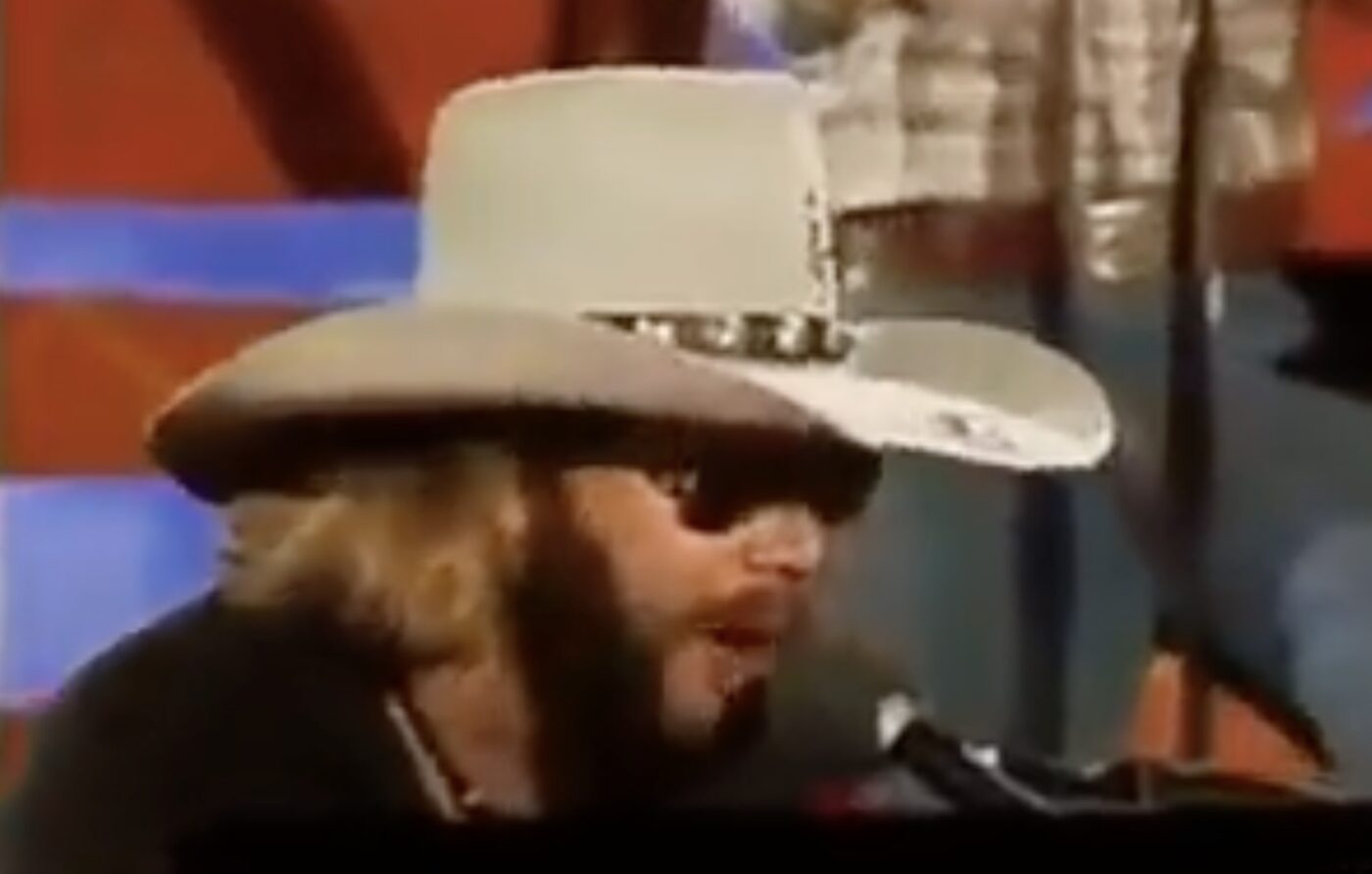
The Grand Ole Opry Inspiration Behind Hank Williams Jr.'s Bocephus Nickname
A look at the early life, career challenges, and the ventriloquist dummy that gave Hank Jr. his iconic moniker.
Hank Williams Jr. remains one of the most influential figures in country music history. Known by many as an icon, Hank Jr., or simply "Bocephus," his journey in the music industry began at a remarkably young age. At just 15 years old, he recorded his first song—a personal rendition of his father's classic "Long Gone Lonesome Blues." However, carving out an independent identity while standing in the shadow of country royalty proved to be a difficult path.
During an interview in 1982, Hank Jr. reflected on the immense pressure he faced early in his career to replicate his father's style instead of forging his own sound. The mental toll was compounded by personal struggles, including a divorce. At the time, he recalled that family and management questioned his choices as he fought to step out of his father's shadow, with people around him assuming he was going crazy simply because he refused to merely copy his dad.
Blazing His Own Trail & Honoring Heritage
Hank Jr. eventually established his own identity, cultivating a distinctive outlaw reputation backed by signature hits like "Family Tradition," "Whiskey Bent And Hell Bound," and "A Country Boy Can Survive." While building his independent sound, he simultaneously honored his father's legacy by recording versions of Hank Williams staples, including "There's A Tear In My Beer," "Move It On Over," and "Kaw-Liga."
The Origins of "Bocephus"
Beyond the music, Hank Jr. carried another lasting gift from his father: his legendary nickname. Hank Williams died on January 1, 1953, when his son was only 3 years old. During the short time they shared, the elder Hank began calling his young son "Bocephus."
The name originated from the Grand Ole Opry. Comedian Rod Brasfield, a Mississippi native who frequently poked fun at country life, was brought to the Opry stage by the radio show's founder, George D. Hay. Brasfield performed with a ventriloquist dummy named Bocephus. After watching Brasfield's act at the Grand Ole Opry, Hank Williams adopted the dummy's name as a playful nickname for his son.
Who Was Rod Brasfield?
- Comedian and Mississippi native known for country-life humor.
- Recruited to the Grand Ole Opry by founder George D. Hay.
- Performed in the late 1940s alongside stars like Minnie Pearl, June Carter, and Elvis Presley.
- Featured the ventriloquist dummy "Bocephus" in his stage acts.
Embracing the Moniker Throughout His Career
The childhood nickname remained with Hank Williams Jr. throughout his entire life and career. He fully embraced the moniker over the decades, using it as the title for his 1975 album Bocephus. Later, on his 1986 album Montana Cafe, he featured a track explicitly titled "My Name Is Bocephus."
Among other iconic aliases in the country music genre—such as The Possum, Shotgun Willie, and The Man In Black—Bocephus stands out as one of the most recognized, all tracing back to a comedy routine at the Grand Ole Opry.


